
Sustainable Food Processing Series
with Local University Students
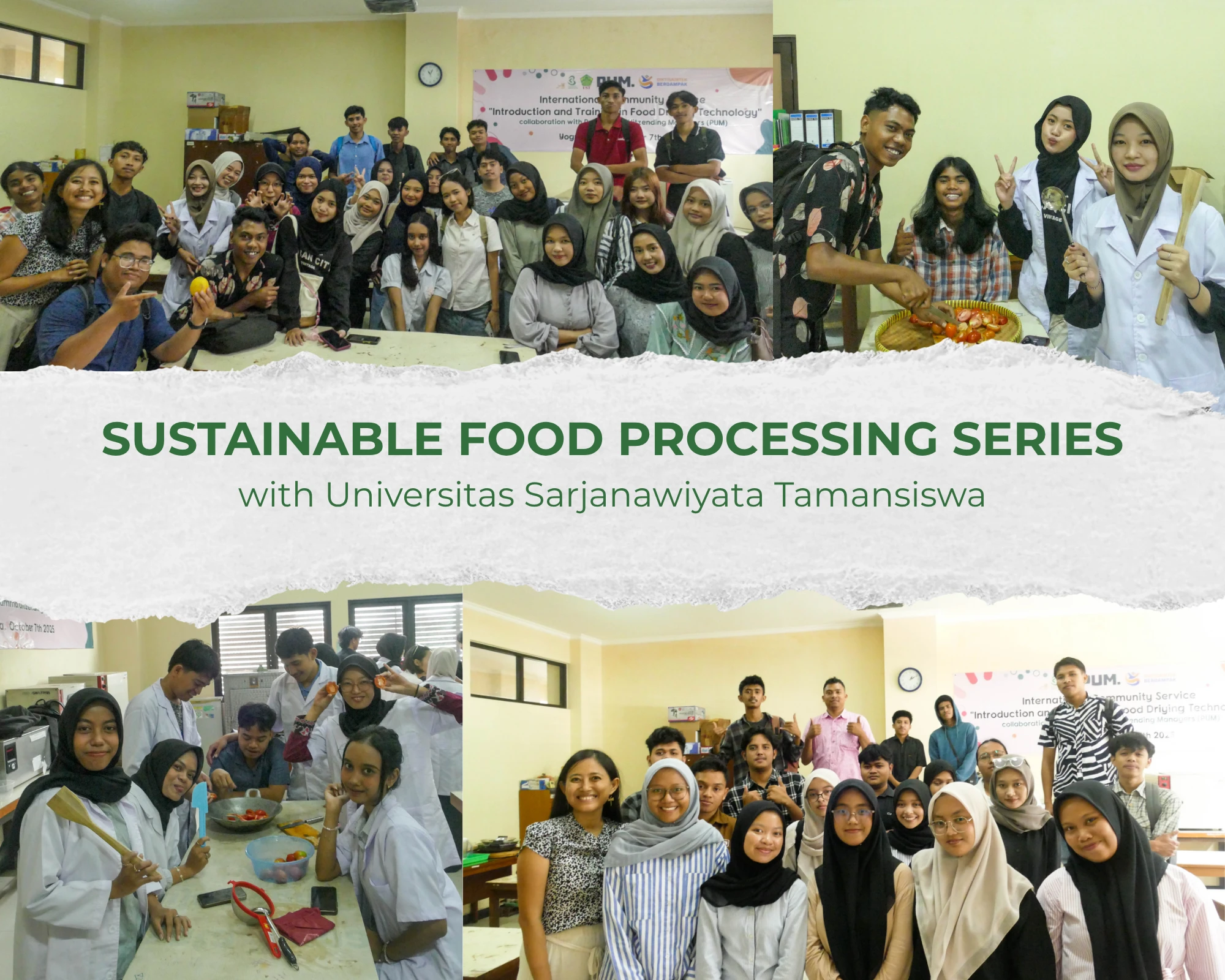
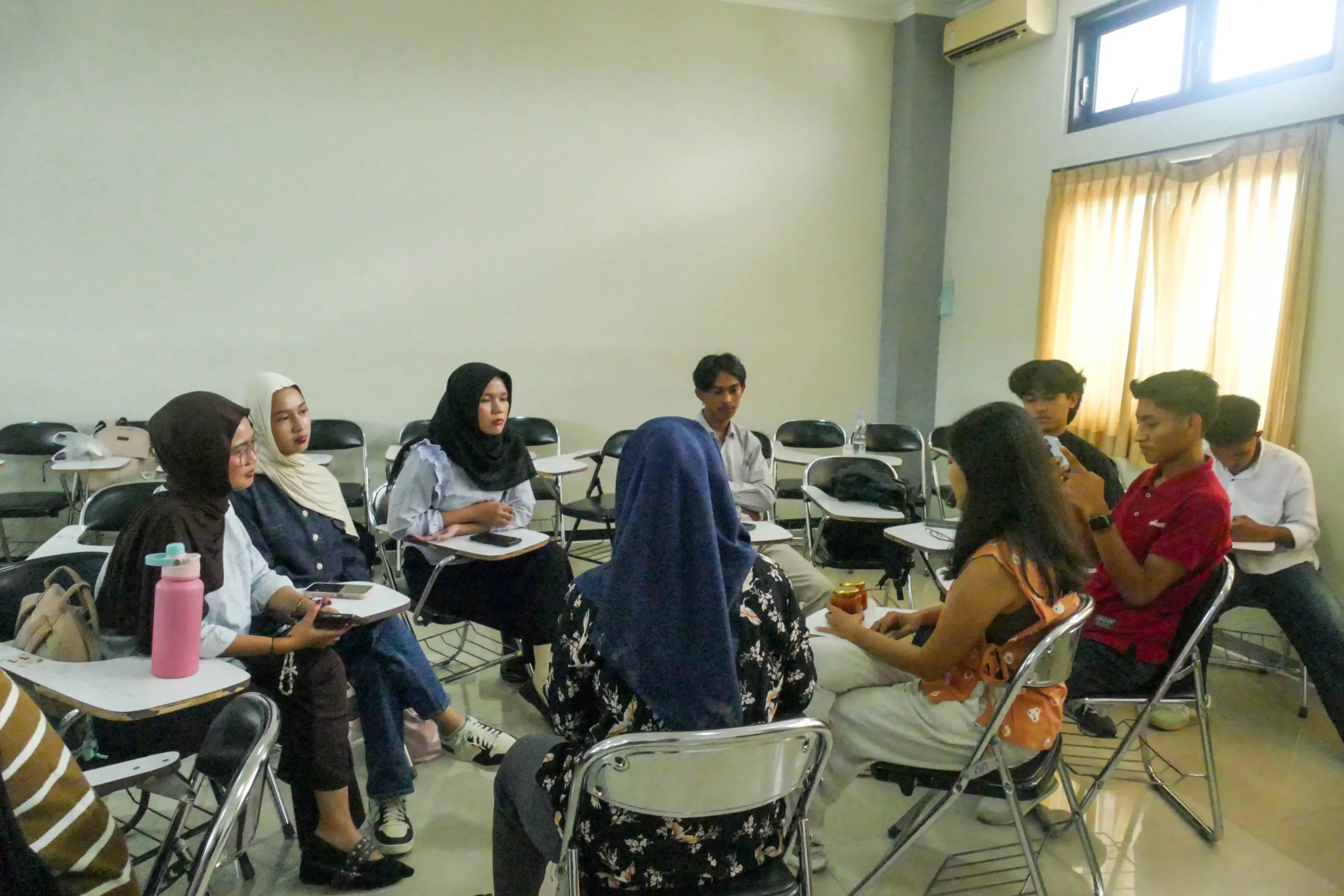
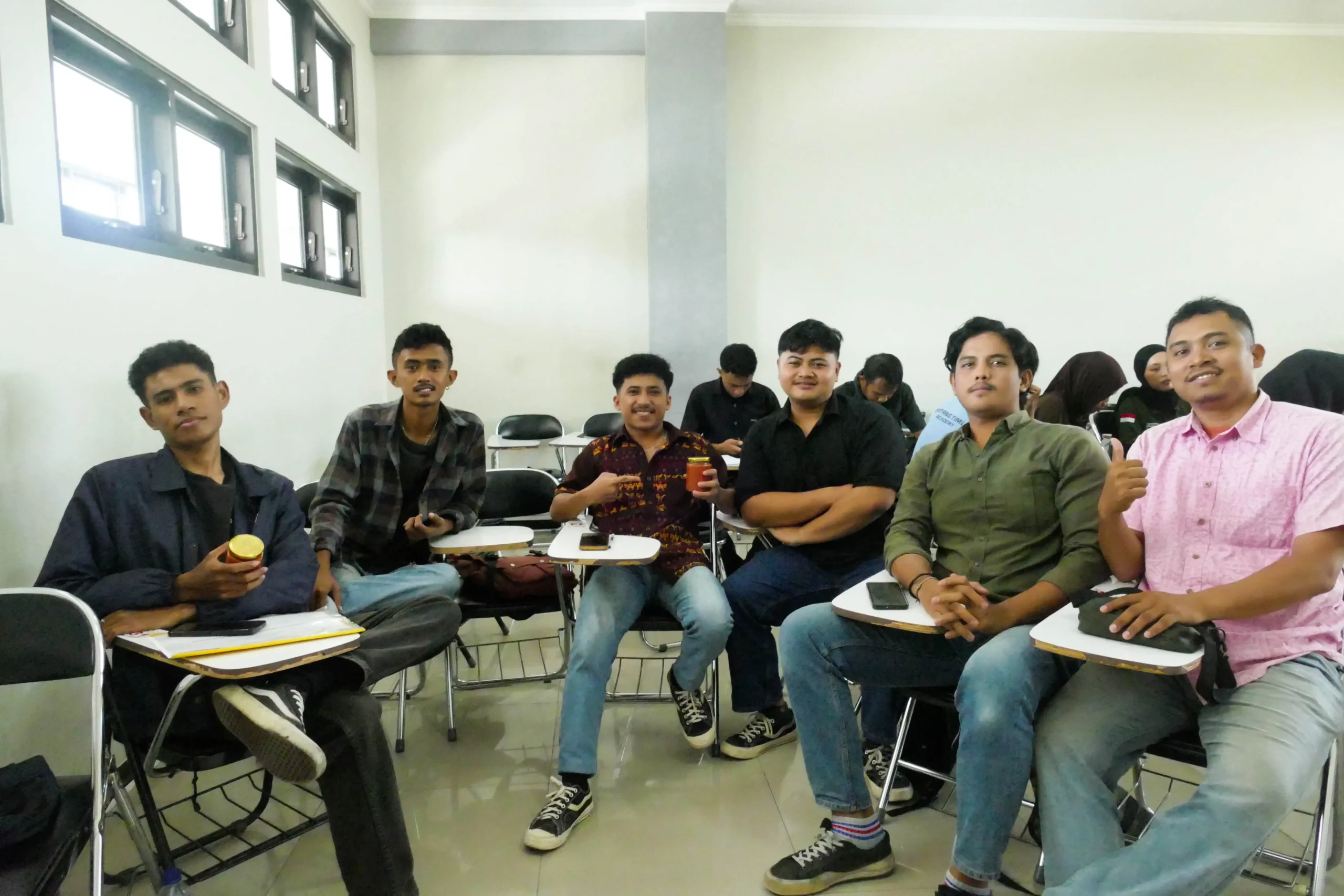
In April 2026, as part of the course Teknologi Pangan dan Hasil Pertanian (Food Technology and Agricultural Products), Ecotica co-founder, Putri, was invited as a dosen praktisi (practitioner lecturer) at the Faculty of Agriculture of Universitas Sarjanawiyata Tamansiswa to lead a Sustainable Food Processing Series for university students.
At Ecotica, we believe that transforming food systems does not start only in the field, but also in how we process, value, and understand food after harvest. One of the key challenges in sustainable food systems is not only production, but also food loss, underutilization of local ingredients, and lack of value addition at community level.
Since the beginning of our project in Yogyakarta, Ecotica has been collaborating with the university through various educational and community-based initiatives, including guest speaker sessions and collaborative learning activities. This Sustainable Food Processing Series became part of that ongoing collaboration between academia and real-world practice.
The program involved two different classes:
- 36 fourth-semester Agribusiness students
- 24 sixth-semester Agrotechnology students
Each class participated in four sessions held once a week, allowing students time to reflect on the discussions, observe their processed products, and further develop their group projects between sessions.
Learning by doing: understanding food systems through practice
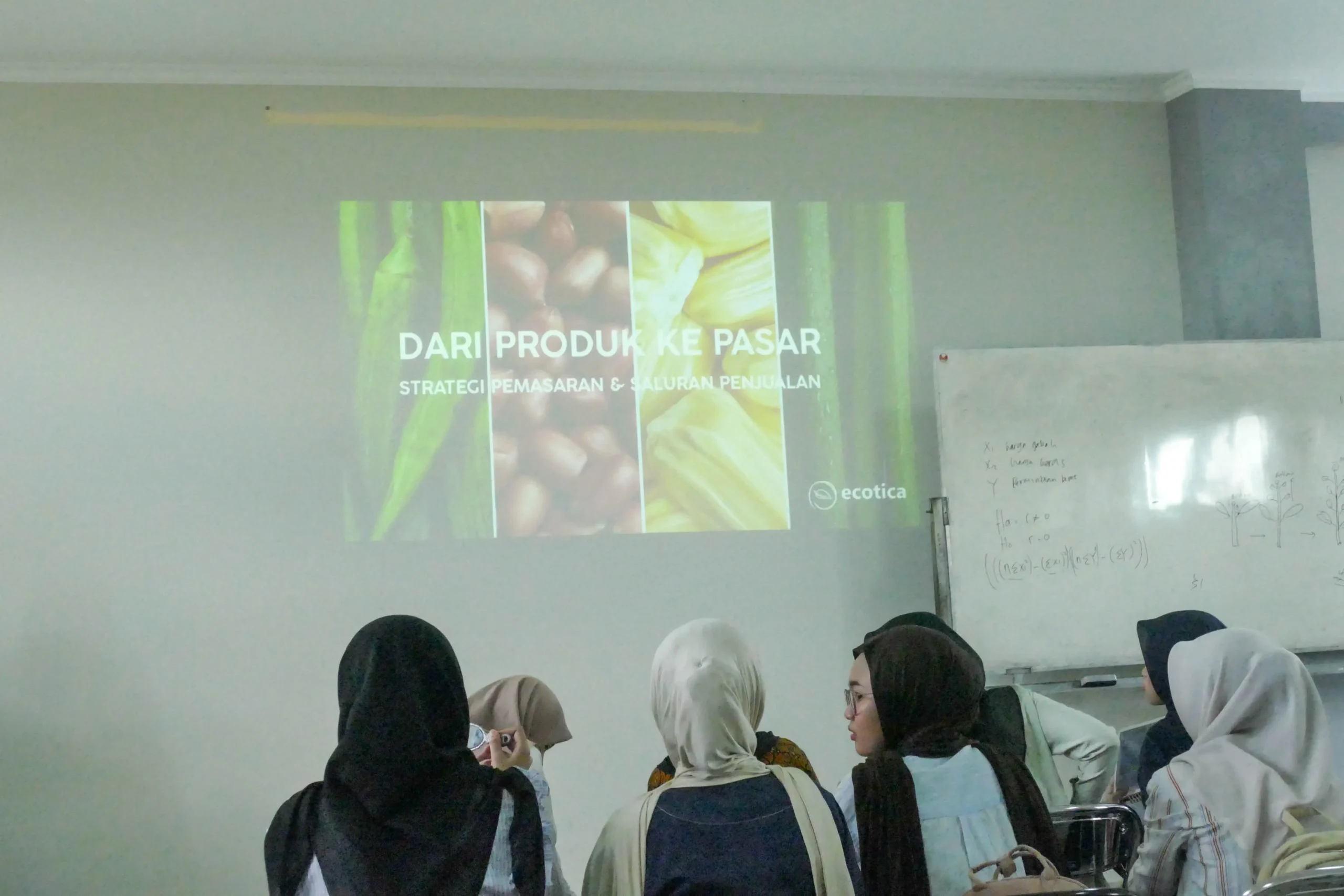
The course introduced students to sustainable food systems through the lens of post-harvest management, value-added innovation, and market-oriented thinking. Across four sessions, students explored the connections between food production, processing, marketing, and consumption within the Indonesian context.
Together, we discussed key challenges within food systems, including:
- Post-harvest loss and food waste
- Price fluctuation and supply chain inefficiencies
- Limited value creation at farm level
- Market access and regional inequality
- The environmental and social impact of food systems
Students also explored how value-added processing can become a practical strategy to reduce food loss while creating more economic opportunities for local producers and communities.
From crop to product: exploring value-added innovation
Using Ecotica’s own research and development projects as case studies, students learned how local crops such as tomatoes and roselle can be transformed into value-added products like tomato passata and roselle jam.
The sessions introduced students to:
- Different food processing methods
- Feasibility and cost considerations
- Sustainability assessment
- Food safety and compliance awareness, including Halal certification and P-IRT (Pangan Industri Rumah Tangga, a food production permit for home-based food industries in Indonesia)
- Market positioning and product development
Rather than focusing only on theory, students were encouraged to think critically about whether certain food innovations are realistic, scalable, and context-appropriate within different regions of Indonesia.
Hands-on food processing in the laboratory
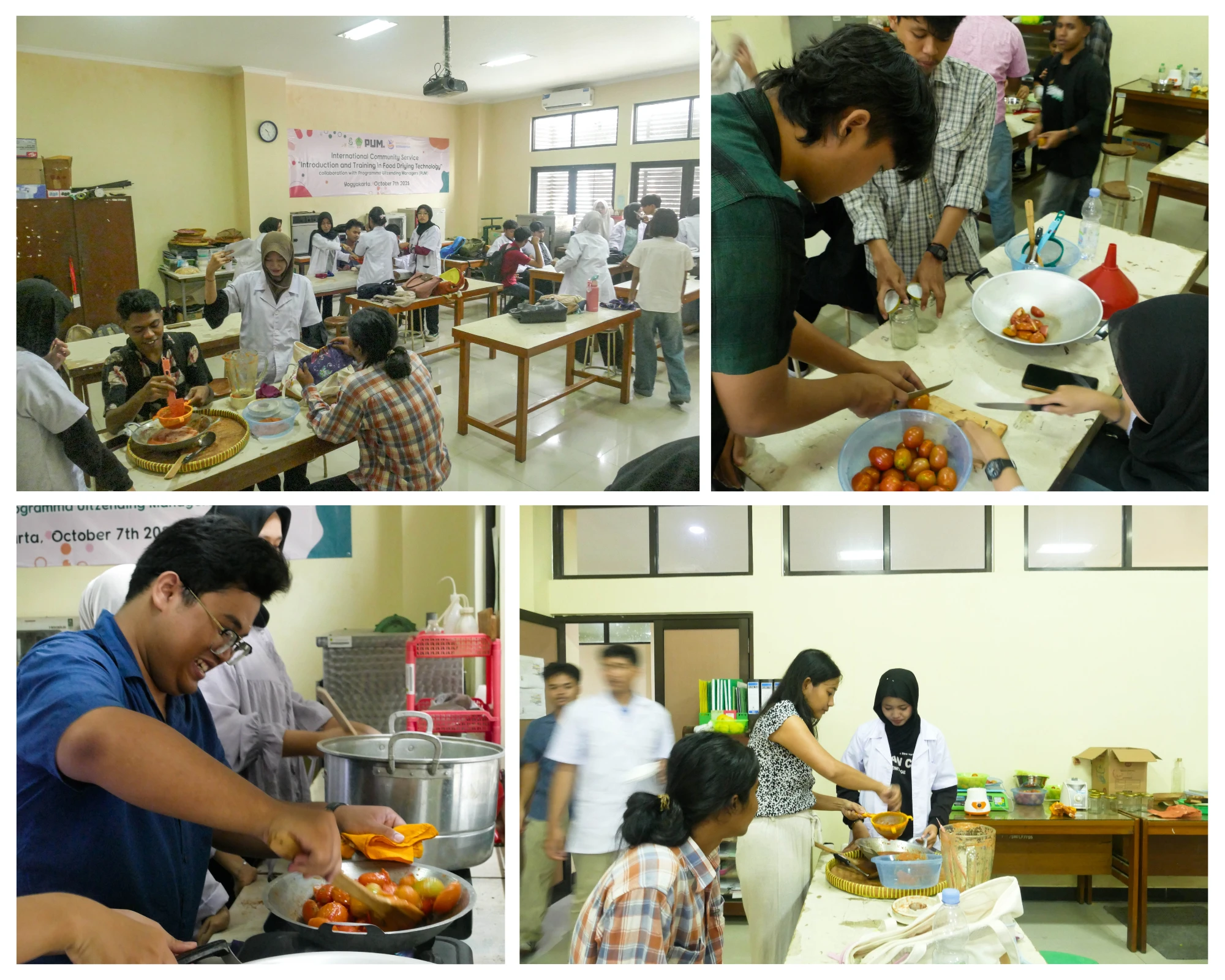
Beyond discussions and case studies, students also participated in hands-on laboratory sessions where they were divided into groups to produce their own tomato passata (tomato sauce) using water bath canning techniques.
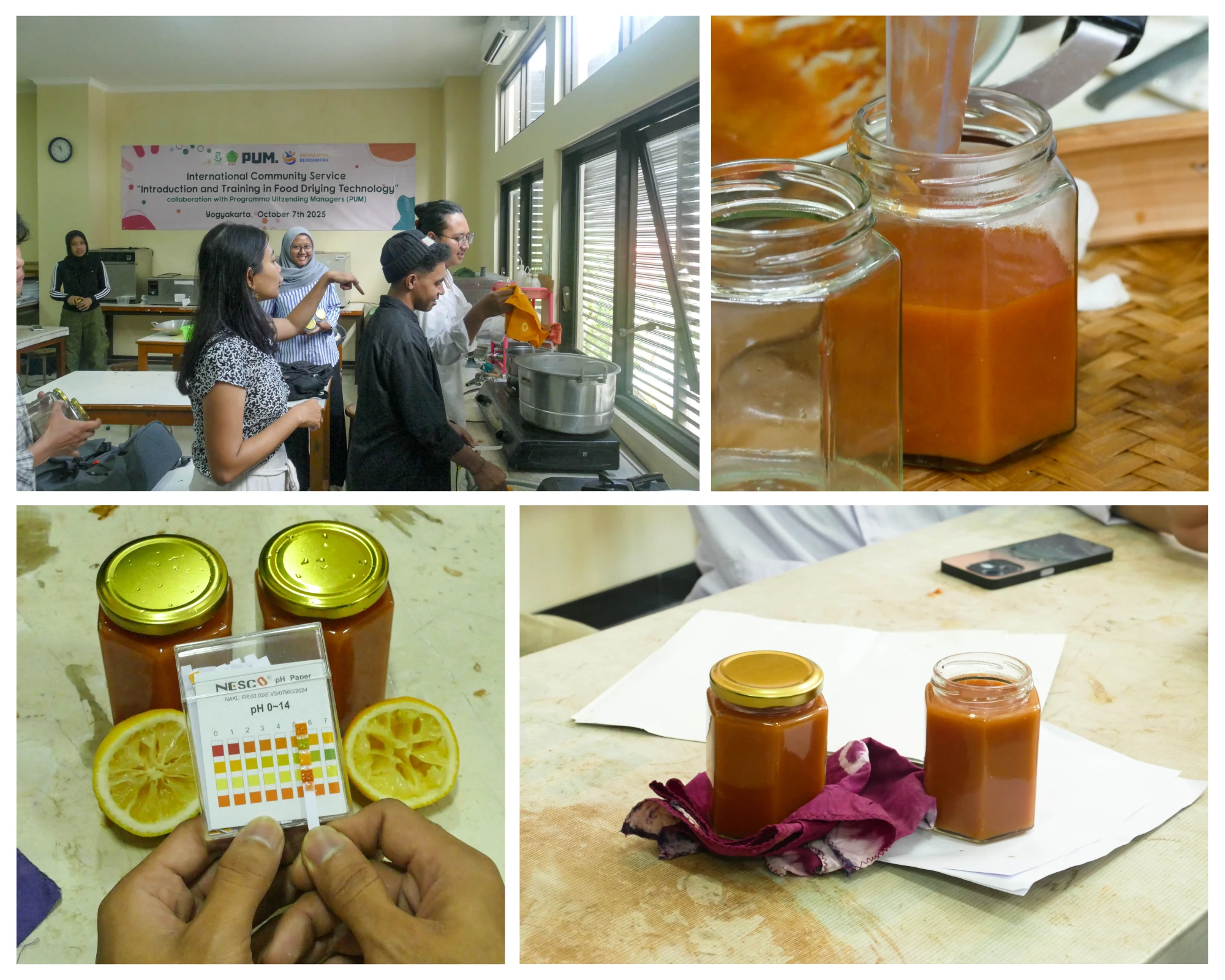
Each group produced two jars of 250 grams of tomato sauce, allowing students to directly experience the full process, from preparation and cooking to sterilization, bottling, and preservation. The jars were then kept for observation, enabling students to monitor the product over time and better understand shelf life, preservation, and food safety considerations in small-scale food processing.
Through this practical experience, students were introduced not only to technical processing methods, but also to the importance of hygiene, acidity, proper handling, and safe preservation techniques in value-added food production.
Marketing, communication, and digital platforms
The course also highlighted the importance of communication and market access within sustainable food systems. Students explored how digital platforms such as Shopee, Tokopedia, and TikTok Shop can help local products reach wider audiences, while also learning about pre-order systems as a strategy to reduce overproduction and minimize waste.
After completing the four sessions, the students were challenged to translate their learning into creative communication. Working in groups, they developed campaigns and/or marketing reels/videos featuring the tomato sauce they had produced during the program.
This activity encouraged students to think beyond production and reflect on how sustainable food products can be communicated to wider audiences. Through storytelling, branding, and digital content creation, students explored the role of marketing in shaping consumer awareness and promoting more sustainable food choices.
Bridging food systems and real-world application
This collaboration reflects Ecotica’s approach to learning: connecting production, processing, marketing, and awareness in one integrated experience. Students from diverse cultural backgrounds contributed different perspectives and experiences, enriching discussions around food habits, local crops, sustainability, and regional food challenges.
Beyond technical knowledge, the course encouraged students to reflect on larger questions:
- How can food systems become more inclusive and resilient?
- How can local crops create more value for farmers?
- How can innovation remain accessible and feasible at small scale?
- How can young people contribute to more sustainable food futures?
Why these matters
Food loss does not only happen at farm level. It also happens during handling, processing, distribution, and consumption. By introducing students to practical and context-based approaches to food processing and value addition, we aim to strengthen awareness that sustainability can begin with small but meaningful actions across the food chain.
This series is part of Ecotica’s broader mission to build more resilient, inclusive, and sustainable food systems in Indonesia, where value is created not only at production level, but throughout the entire food system.
What’s next
We hope to continue expanding this learning series with more students, local communities, and practitioners, turning food processing into a space for innovation, critical thinking, and community empowerment.